

Our terry face cloths are designed for every day use, but like all frequently used textiles, they need a little help to be kept in a great condition for as long as possible. With daily use, a terry face cloth will typically last between 3 to 6 months, although many people prefer to rotate and replace them every 2 to 3 months to maintain optimal hygiene.
Understanding what affects their lifespan, and how to care for them properly, can help you get the most from each cloth. That’s why we’ve compiled this handy guide to help.


What affects how long your face cloths last?
Frequency of use plays a big role. Daily use requires more frequent replacement (3-6 months) compared to occasional use.
Laundering habits also matter. Washing face cloths regularly in hot water helps keep them hygienic, but can accelerate wear.
Finally, higher-quality, thicker terry cloth like ours, generally holds up better over time.
Signs it’s time to replace your face cloth
Even with good care, there will come a point when it’s time for a fresh one. Common signs include:
- A persistent musty odour that remains after washing
- A stiff, rough texture caused by fibres breaking down over time.
- Visible fraying, holes, or loose threads are also indicators that a cloth has reached the end of its life.
- Discolouration or stains that won’t wash out can signal that it’s time to retire it from your skincare routine.

Shop face cloths
-
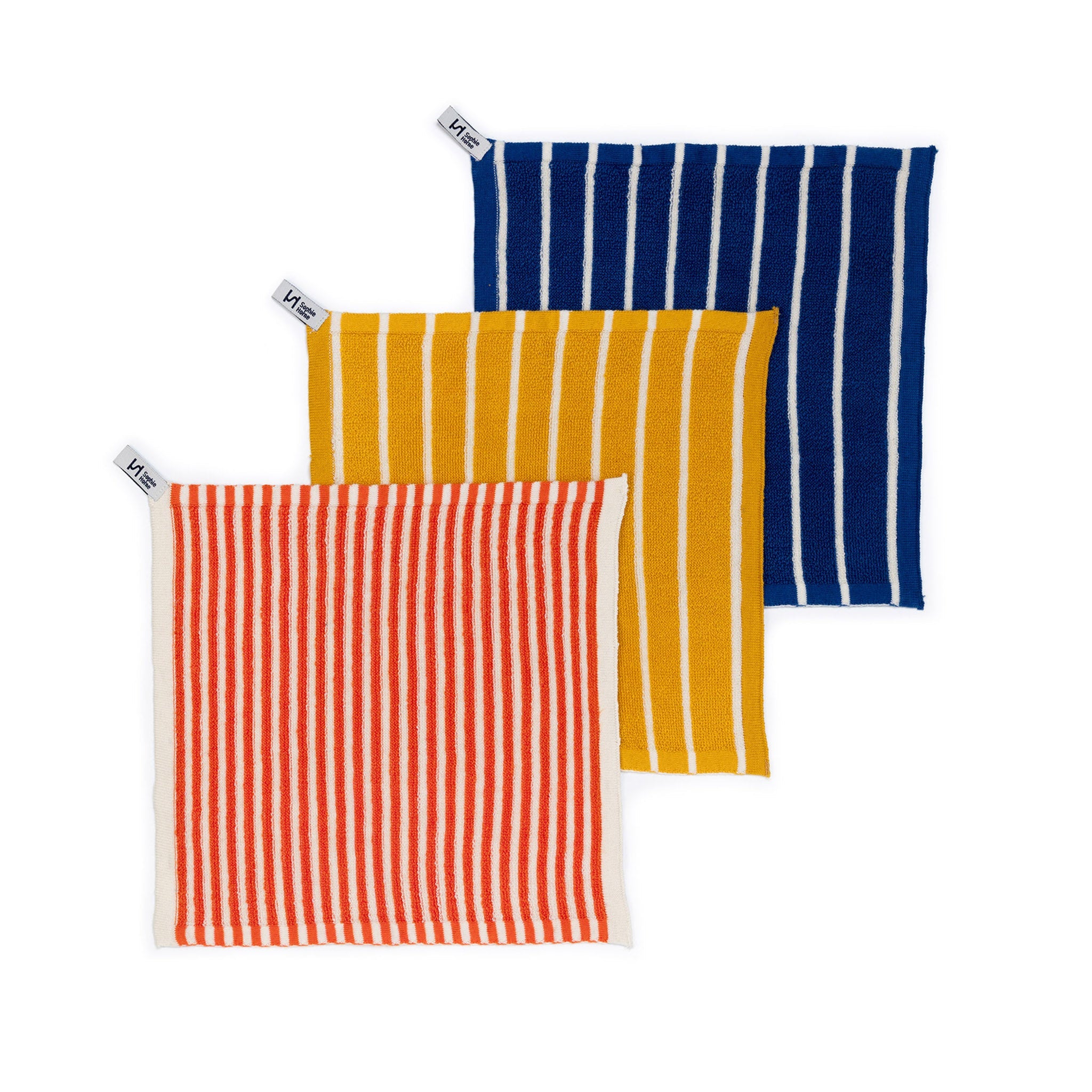
Kids Striped Washcloths: Orange/Yellow/Cobalt

 Unit price perRegular price £18.95 GBPSale price £18.95 GBP Regular price
 -
Kids Striped Washcloths: Aqua/Yellow/Red

 Unit price perRegular price £18.95 GBPSale price £18.95 GBP Regular price
 -
Striped Terry Towelling Face Cloth 2 Pack: Green

 Unit price perRegular price £18.95 GBPSale price £18.95 GBP Regular price
 -
Striped Terry Towelling Face Cloth 2 Pack: Pink

 Unit price perRegular price £18.95 GBPSale price £18.95 GBP Regular price
 -
Striped Terry Towelling Face Cloth 2 pack: Cobalt

 Unit price perRegular price £18.95 GBPSale price £18.95 GBP Regular price


How to make your face cloth last longer
A few simple habits can help extend the life of your terry face cloths. Rinse them thoroughly after each use and allow them to dry completely between washes to reduce the risk of bacteria or mildew.
Avoid using fabric softener, as it coats the fibres and can reduce both absorbency and durability. Instead, wash cloths in hot water with a mild detergent to keep them clean and fresh. Keeping several cloths in rotation is another easy way to minimise wear and tear on any single piece.
Give them a second life
When a terry face cloth becomes too worn for use on the skin, it doesn’t have to go straight in the bin. Repurposing it for general household cleaning (wiping surfaces, polishing taps, or tackling small spills) is a simple way to reduce waste and get a little more life from a well-used essential.

Recent blog posts


